

- In the 1980s knowledge-base systems that hard-coded knowledge about the world in formal languages.
- IF this happens, THEN do that.
- They failed to get significant traction as the number of rules that are needed to model the real world exploded.
- However, they are still in use today in vertical modeling domains e.g. fault management. For example Rule Based Engines are used today in many complex systems that manage mission critical infrastructures e.g. ONAP.
Wave I: Decoupled systems put together with rules
Wave II: End-to-end differentiable decision making systems
Wave III: AGI - obvioulsy this is not it and noone knows for certainty when we will see humanoids able to build other humanoids.
In the 1980s rule-based engines started to be applied in what people called expert-systems. In this example you see a system that performs highway trajectory planning. A combination of cleverly designed rules does work and offers real time performance but cannot easily generalize and therefore have acceptable performance in other environments. The bulk of self-driving technology today is still based on this approach. Note that the perception subsystem is based on deep learning but anything else is non-differntiable.
Wave II srarted after 2015 when initial experiments on immitation learning (also known as behavioral clonning) were made. Despite the end to end differentiability of the system, the system is not able to generalize without vast ammounts of training data that require many human drivers.
Wave III is at present an active research area driven primarily from our inability to implement with just deep neural networks things like long-term goal planning, causality, extract meaning from text like humans do, explain the decisions of neural networks, transfer the learnings from one task to another, even dissimilar, task. Artificial General Intelligence is the term usually associated with such capabilities.
The role of simulation in AI
Further, we will see a fusion of disciplines such as physical modeling and simulation with representation learning to help deep neural networks learn using data generated by domain specific simulation engines.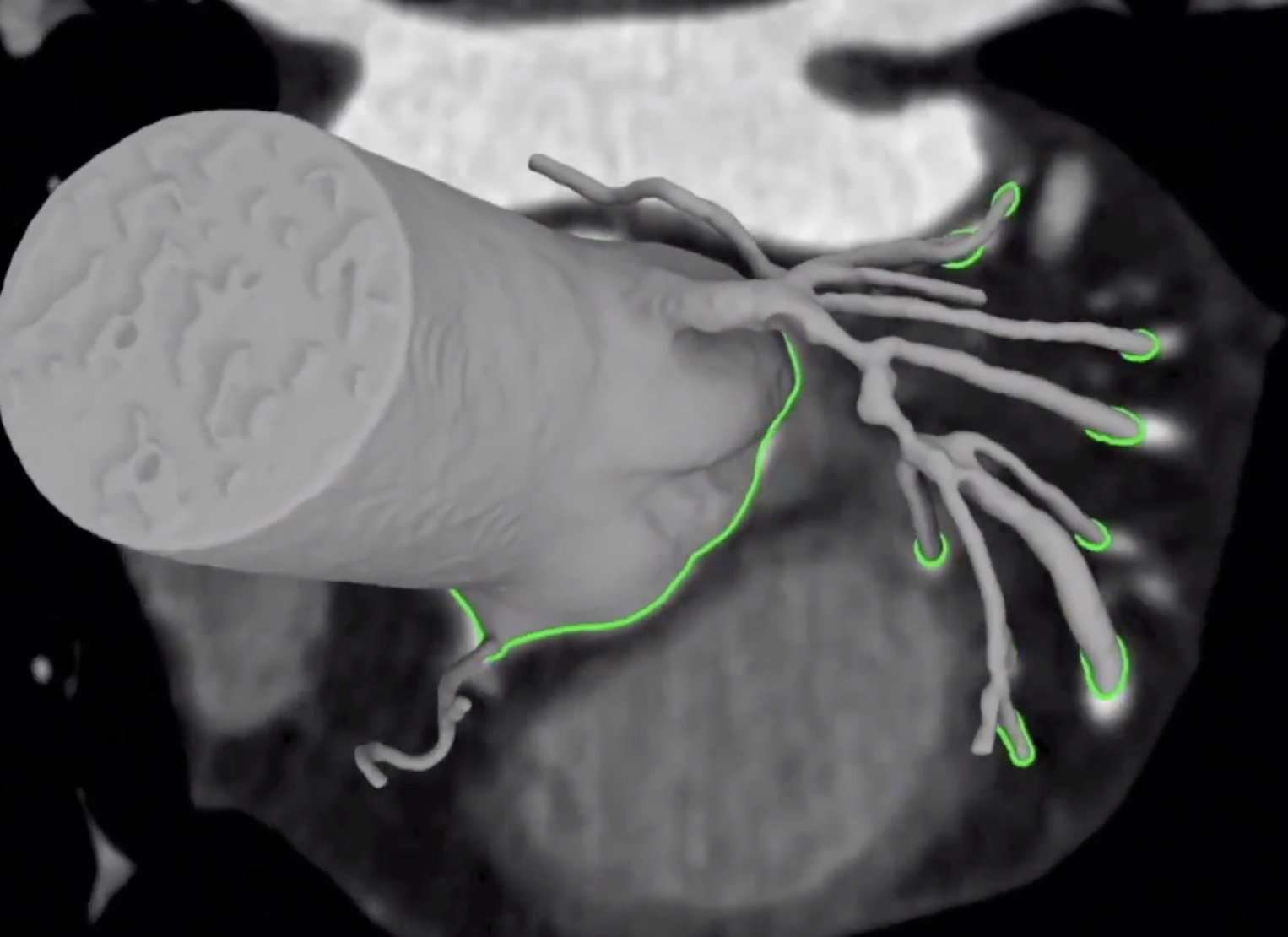
References
- Fadaie, J. (2019). The State of Modeling, Simulation, and Data Utilization within Industry: An Autonomous Vehicles Perspective. arXiv [cs.CY].
Found an error on this page? Report an issue.