

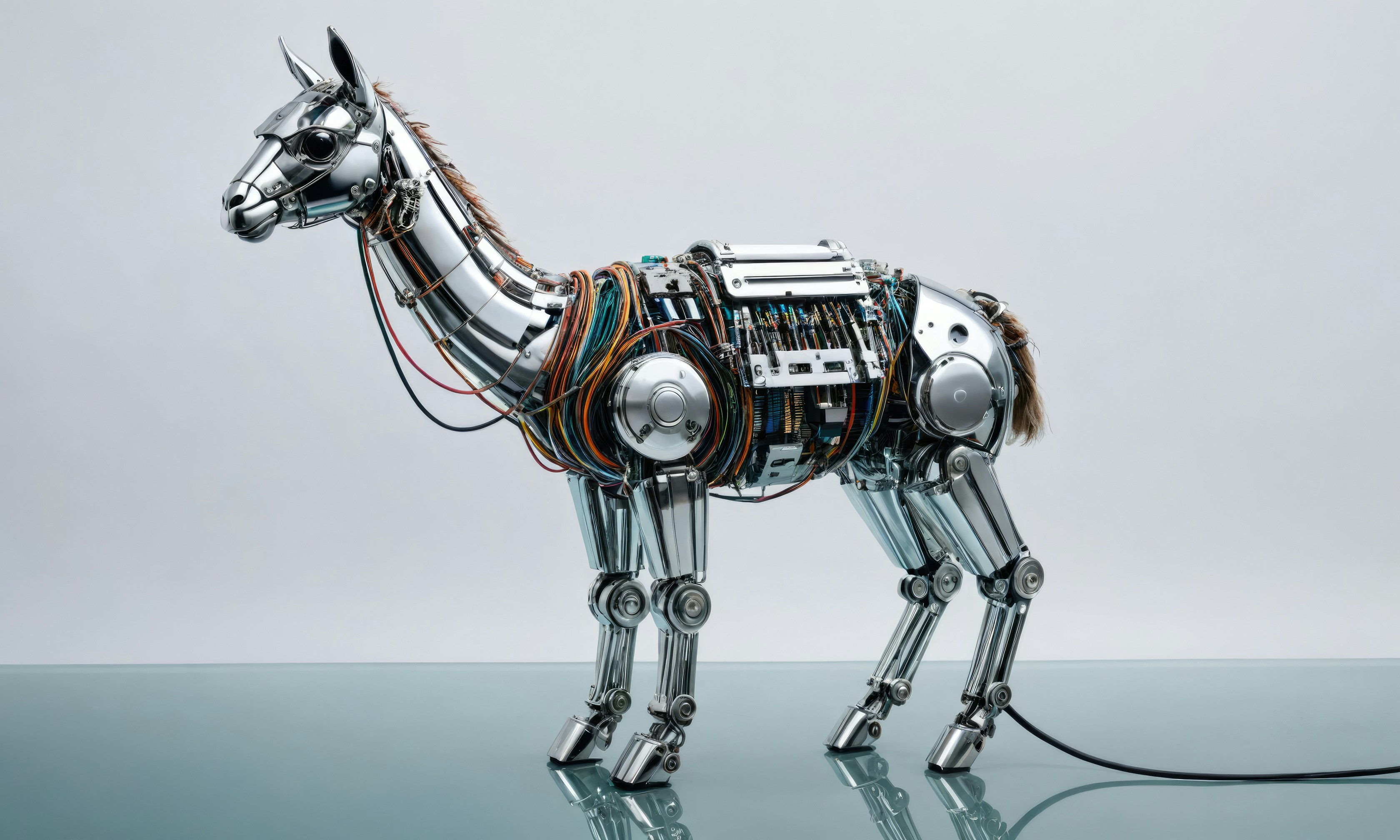
What this course is all about
This course introduces students to the foundational concepts of AI as they apply to the complex world of robotics, emphasizing how AI algorithms enable robots to interpret sensor data, navigate dynamic environments, and interact intelligently with both objects and humans. The course explores key AI methods, including computer vision, natural language processing, path planning and reinforcement learning that give robots the ability to analyze, reason, and respond to the world around them. Students will engage with hands-on projects with a focus on real-world applications in areas like autonomous vehicles and industrial automation. By the end of the course, students will have gained a deep understanding of how AI enables autonomous robots to perform complex tasks, being instructed with natural language making them capable of working alongside humans in various settings.Topics Covered
Kinematics
Configuration space and motion representations for robot control.
Global Planning
Search algorithms including forward search and A* for path planning.
Local Planning
Motion planning, behavioral planning, and prediction for dynamic environments.
VLA Agents
Vision-Language-Action models, imitation learning, and sim2real transfer.
Simulation
Simulation environments for training embodied AI agents.
Video Lectures
The course has 50 recorded lessons across 9 modules, roughly 10 hours. They are listed in the weekly study guide, placed in the week whose readings and lecture they accompany, so you watch them alongside the material they belong to rather than as a separate catalogue. Subscribe to the YouTube channel to follow along.Found an error on this page? Report an issue.